

As usual, I was scrolling through the news online and came across an article about em dashes. To my absolute delight, an article written by a professional writer, not AI, sung the praises of my absolute favorite punctuation. Yes, I decided not to write a blog on the terrible news of late—instead, I picked a writing topic. I hate the bad wrap the em dash is getting. Of course, the latest witch hunt accusing writers of using AI versus blood, sweat, and tears writing is that you can tell that it’s AI when there are em dashes. It is such an issue that OpenAI CEO Sam Altman bragged, “Small-but-happy win: If you tell ChatGPT not to use em dashes in your custom instructions, it finally does what it’s supposed to do!” Of course, these accusations are rude and 100% inaccurate. Long before AI became a craze, I was using the em dash. For a writer who tends to babble a bit, the em dash allows me to add that little something extra to a sentence when a comma, period, semi-colon, or colon just doesn’t quite do it. The em dash gives that extra punch that’s needed sometimes, creating a dramatic pause, a clever addition worth something special, or simply some further explanation that is subtly suited to the em dash. Like with anything, sure, the em dash can be overused and lose its impact, but for those of you who hate the em dash and any writer that relies on it, here are a few tidbits for you to consider:

- This wonderful punctuation dates back to the 15th century. Medieval scribes used a long stroke to indicate a pause in thought.
- Would anyone dare to call Shakespeare or Emily Dickinson a hack writer? Both were very fond of em dashes. In fact, at one point, the em dash was called the “Dickinson Dash.” Other iconic writers who used the em dash were: William Faulkner, Virginia Woolf, Herman Melville, Jane Austen, and Ralph Waldo Emerson.
- If it wasn’t acceptable, why would the Chicago Manual of Style and the AP Stylebook both provide guidance on whether to place spaces before and after the em dash? Some editors may believe it is a lazy or inappropriate replacement for commas, parentheses, or semicolons, but the precious style guides clearly deem the em dash an acceptable choice.
- Here are three very good reasons why the em dash isn’t going anywhere: It provides visual clarity by breaking up a sentence far more effectively that a comma or parenthesis; for colloquial writers such as myself it mimics the spoken language a hell of a lot better than rigid punctuation; and finally, it’s pretty—it looks clean in the document when used appropriately.
- Since there was never an actual em dash key on a typewriter, authors used a double hyphen that automatically converted to an em dash with the first word processors.

I know there are other favorite sapphic authors who use and love the em dash. I’ve read their defense of this poorly treated stylistic choice, and I applaud them for it. I’m not going to be bullied into eliminating the em dash from my writing, and I believe I’m in good company. Want to see how I use this beautiful punctuation? You know the drill—just click the links below!
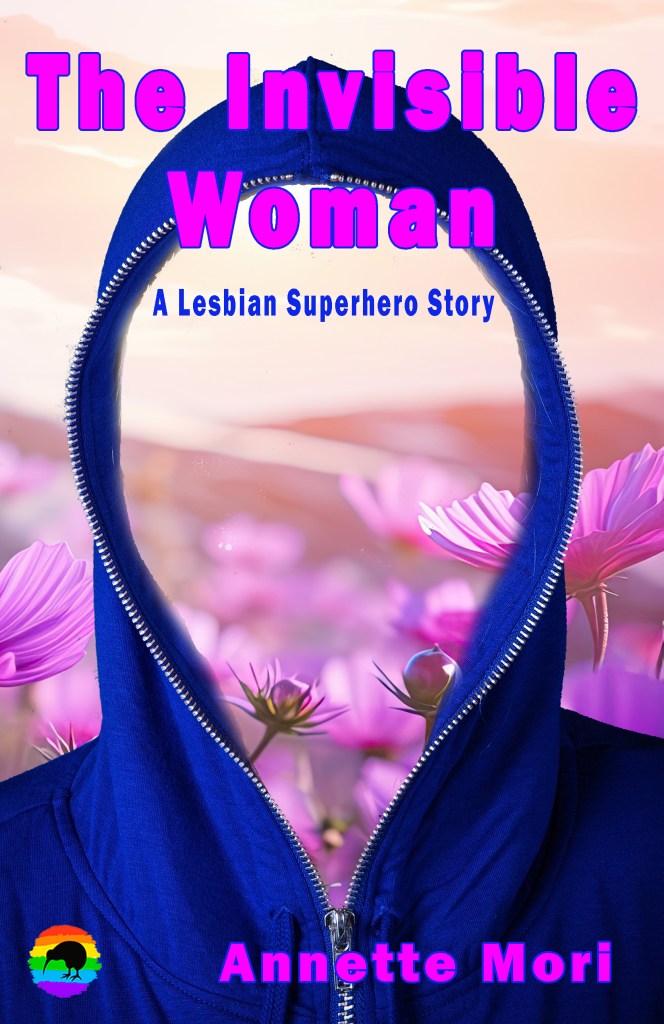
The Invisible Woman: A Lesbian Superhero Story
Click the covers below for purchase options

Listen to a clip:
Trouble in Paradise – Trophy Wives Club Book 4
Click the cover below for purchase options

Listen to Audio Clip Below
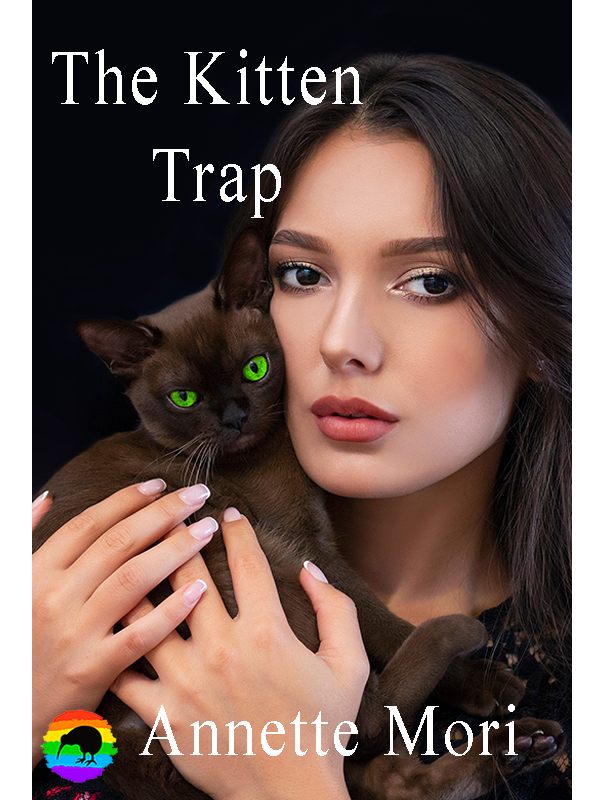
The Kitten Trap
Click the covers for purchase options

Listen to Audio Clip Below
The Love Demand
Click the covers for purchase links!


Pleasure Workers in Audio

Love Sins – The Final Chapter in The Organization Universe
Click on Cover for purchase links and description

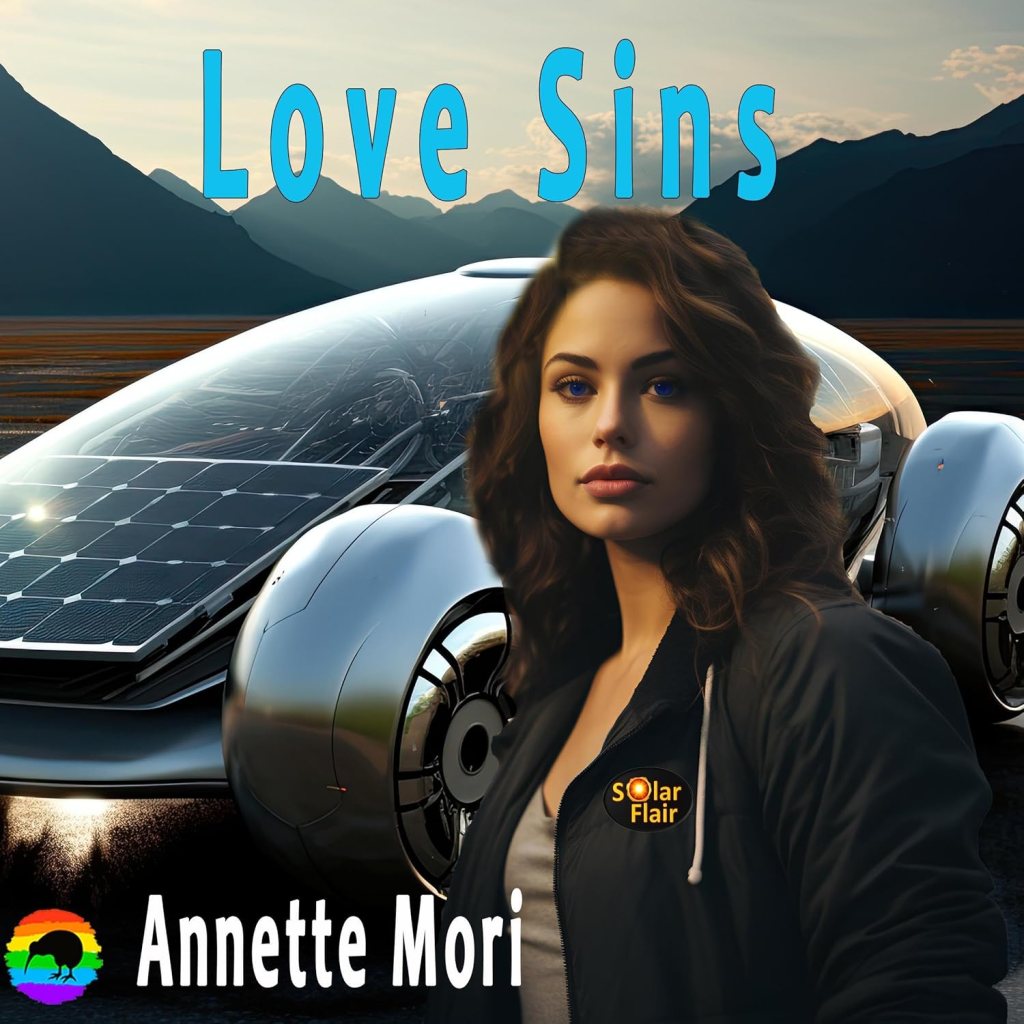
The Final Chapter in the original Organization series is now in Audible

Catch up with Books 1 and 2 in The Next Generation Series

Where it all began….
Click on Covers for purchase links and descriptions

Click on Covers for purchase links and descriptions


Books in Audible

Books In Kindle Unlimited (KU)

Subscribe To Annette’s Substack
Proud to be an Affinity Rainbow Publications author!
 Annette Mori